There has always been something about the way oil paints mix on the palette and how they handle on the canvas that has been enormously appealing. Oil has an unjustified reputation for being difficult, perhaps in part because of it's slowness in drying. But in many ways it is the most forgiving of all painting media if you have the patience to work with it. Due to it's slow drying time you have the opportunity to rework the paint if you are not satisfied with the initail result. Oil painting is also less critical of technique, unlike say watercolour, so that a novice artist can begin producing pleasing images with a richness and depth of colour unmatched by other mediums.
Oil paints are pigments generally made from earth minerals, plant extracts or synthetic chemicals that are held in a binding medium like linseed oil. The paint can be used straight from the tube for impasto effects or thinned with turpentine or many of the mediums available today for glazes and scrumbles. The choice is yours depending on the effect you want to achieve. For instance Van Gough's particular genius was to use colours in a heightened way, often applying colour straight from the tube in thick impasto strokes. Classical Masters on the other hand would apply paint in thin washes, building the subject up in a precise way layer after layer. If you are to use this later method then the principle of 'fat over lean' must be applied.
Canvas is the most popular support for oils, but other suitable supports include hardboard, mdf board and wood panels and even museum board. All supports should be treated before you begin painting. This is because these absorbant surfaces will soak up the oil from the paint which in time can rot the support, and will also suck the life from your paint. In the case of wood panels and boards use a couple of coats of a commercial grade acrylic primer over all surfaces followed by three to four coats of gesso on the side for painting. Use a fine grade sand paper to lightly produce a smooth finish Lastly wipe the surface over with a damp cloth to remove all dust particles. For acid free museum board use a couple of coats of gesso over all sides with a couple more coats on the side for painting. Sand to a smooth finish. Also when using gesso on museum board be aware in your initail application of not applying too heavy a coat as the wettness of the gesso can cause the board to bubble.
Unlike acrylics, oil paints are not all equal in their drying times. Black, brown and green pigments tend to have a quicker drying time than blues and yellows while white and reds have the slowest drying times. Even when fresh paint feels dry to the touch it is still often undergoing drying and what can happen by applying green over an already painted white area is that after a week or so you will begin to see very fine cracks appearing in the surface of the paint. This is because the white area underneath is still undergoing drying. As drying continues the paint is contracting. The green top layer already more dry and rigid than the underlying layer is therefore subject to stresses causing a fine network of cracks.
Tip: To reduce the possiblity of fine stress cracks by unequal drying times try painting the top layer into the still wet or semi-wet lower layer. Alternatively mix in some quick drying medium when painting the lower layer.
|
|

GENERAL ART TECHNIQUES
- Applying a Base Coat
- Choosing a Subject
- Colour
- Colour II
- Creating an Abstract
- Dealing with Critics
- Design
- Developing A Painting
- Developing A Style
- Fat Over Lean
- Hue, Tone & Intensity
- Perspective
- Ten Rules for Classical Painting

PAINTING LANDSCAPES
- Aerial Perspective
- Composition
- Drawing Trees
- Using Tone

PAINTING MATERIALS
- Basic Colour Palette
- Basic Colours Continued
- Bristle Brushes
- MDF board
- The Camera
- Varnishing Artwork

PAINTING NUDES
- Complexity of Form
- Portrait Drawing
- Public Reaction
- Skin Tone
|



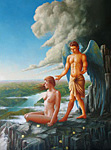
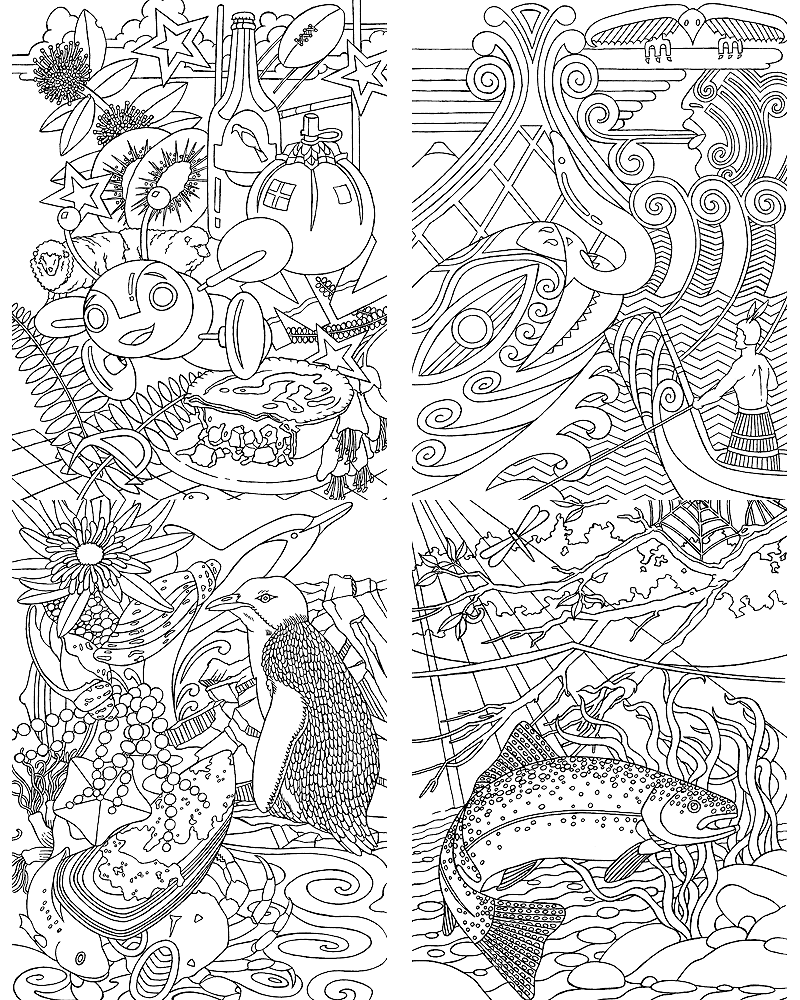

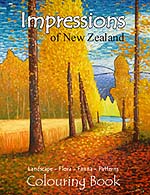
 IMPRESSIONS OF NEW ZEALAND COLOURING IN PICTURE BOOK