Depending on how much you dilute it or how thickly you apply it, oil paint can be transparent or opaque. Transparent applications are called glazes. These can either be put over layers of already opaque colour to modify that colour or placed directly onto the canvas and built up in a succession of layers to produce a surface with great depth and luminosity. Opaque applications cover the surface in strokes and patches of colour that retain the mark of the brush, finger or knife. Because of their thickness they are slow to dry
In classical oil painting the picture is built up in layers and since oil paint dries slowly the surface has to dry before you can add a new layer. In this way progress is steady and considered. This is why some paintings can take months, even years to complete. When working in this way it is important to apply the principle of Fat over Lean.
Fat descibes paint that is used straight from the tube, or paint to which additional oil medium has been added. This makes the paint more fluid when wet and more flexible when dry. Lean desribes paint that has been thinned with turpentine. It dries quicker than fat paint and can be painted over sooner.
Therefore the principle of Fat over Lean descibes the process of building up a painting in layers that begins with the use of turpentine to thin the paint. As the painting progresses less turpentine is used and replaced by linseed oil or a similar medium for the top layers. This prevents cracking and keeps the painting flexible which is important when working on canvas which is itself flexible. Do not confuse thinned paint with lean paint as the paint can be thinned by either oil (fat) or turpentine (lean) of which both can create glazes.
Using too much linseed oil can also create it's own problems making the surface difficult to paint over and creating excessive drying times. It can also lead to an unsightly glossy patch as well as producing unwanted textured effects. Attempting to paint over the area too soon will also result in an unsightly blotch where the underlying paint will come away at the centre leaving a scar in the work that cannot be recovered.
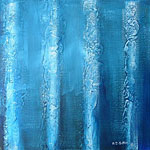
There is also one other way to get the rich colours of oils without the worry of cracking and excessive drying times. You can use the fast drying quality of acrylic paints as your underpainting. There is no limitation on using oils over acrylics and there are in fact some decided advantages. Acrylics bind exceedingly well to their supports and dry to a very hard and fast finish. There is less worry with priming of supports as the acrylic acts as both primer and underpainting. You can quickly add thick textured effects which will not take days or weeks to dry.
★★★★☆
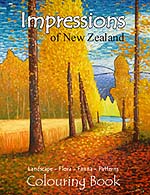
This colouring book was a gift for a friend who was travelling to New Zealand. Something to while away the hours on the long flight. It was well received. Bluedaisy - Amazon Review
IMPRESSIONS OF NEW ZEALAND COLOURING IN PICTURE BOOK Available from: Amazon Paperback
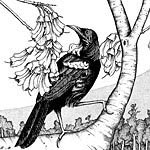
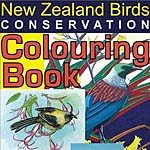
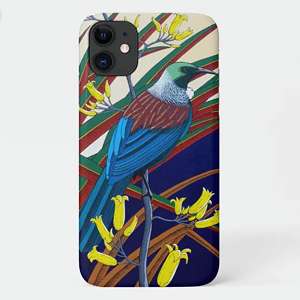
This delightful colouring book features a selection of the landscapes, patterns, flora and fauna of New Zealand. Containing 30 original hand drawn artist images on individual pages that may be removed for framing if desired. Challenge yourself to create an intensely colourful work of art from modern abstract design to realistic reflections and impressions of nature. Suitable for young adult to adult colourists.
Product details: 64 pages
ISBN 978-1523602407
8.5 x 11 inches









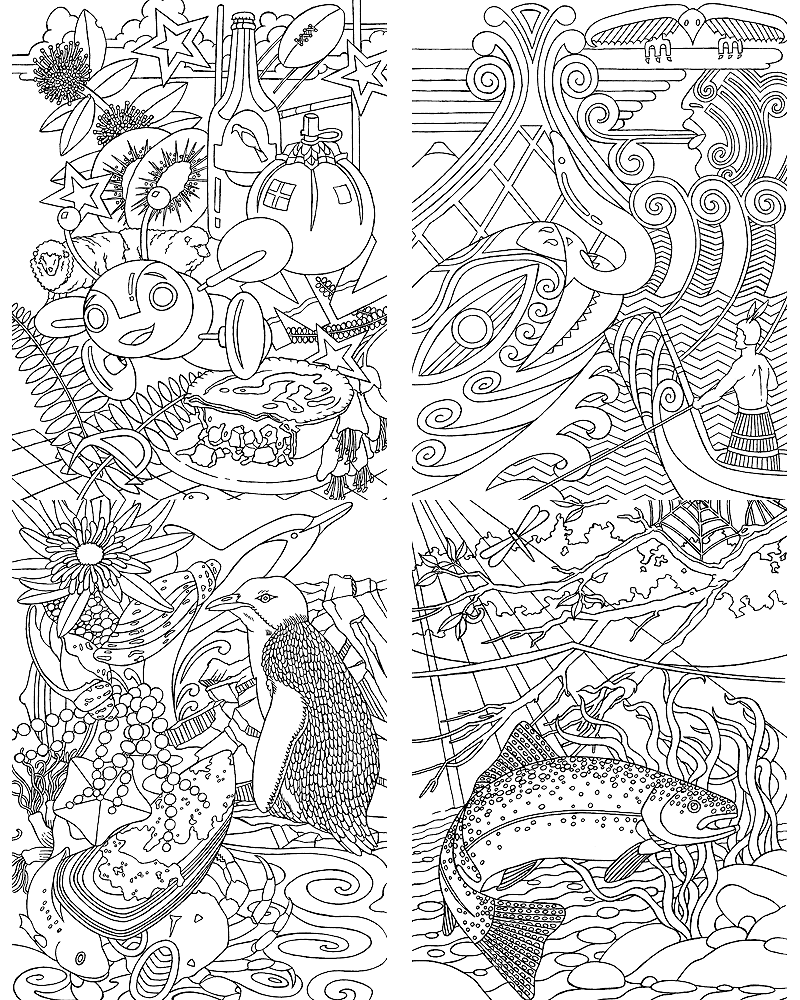

 IMPRESSIONS OF NEW ZEALAND COLOURING IN PICTURE BOOK