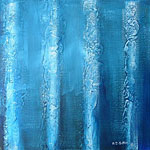
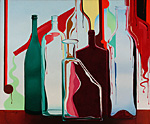
In the modern day gallery you will hear the word abstract used a lot as a general term to pigeonhole artwork that does not fall into any other obvious category. In it's purest sense abstraction in painting is a work that is not representative of any recognisable physical object. It is instead a placement of paint onto the canvas where the primary concerns are the relationships of colours and shape and perhaps texture with less concern for form other than those of compostional requirements. These relationships may be very simple, i.e a completely yellow canvas, or very complex.
After this abstraction may also be used to describe an artwork where representational forms and objects have been some how distorted from reality. In these works form also becomes a concern but because we are distorting them we are not bound by the same concerns of proportionality and perspective as we are in traditional painting. Be aware that the human brain seeks to find order in chaos so your representational form can differ widely from reality and still be recognisable.
So the primary focus for abstract art is
1: the relationships of colours. Are you going to use a limited number of colours or are you going to include the full spectrum? Because your painting is non representational of real objects you will need to choose a colour palatte that conveys the emotion of the artwork. A good abstract artwork will understand colour theory and use it to attract the viewer. Understanding how colours change when juxtaposed not just in hue but in receeding or advancing the other will let you build a convincing abstract.
2: the balance of compositional elements. Your colours will have form, whether they are hand painted squares or splashed onto the artwork from a rotating bicycle wheel. So an understanding of compostion and how to divide a canvas is also essential. A good place to start is the one third two thirds rule, a basic premise of graphic design, that avoids a heavy unattractive central focus. You do not need to be mathematically exact but understand that dividing the canvas in half is preferably to be avoided. Another which may be used in collaboration is the three points rule where you direct the viewer to three points of interest. This is a technique also used in classical art in which you have a primary focus and two secondary which direct the viewer around the image and back to the primary.
In traditional art it is easy to subjugate the secondaries by making them less well defined and less contrasted than the primary. In abstract art you will need to think how you are going to achieve this.
3: the idea or message. In traditional art we are able to receive the painting's message because we recognise the scene and the objects within the picture. In abstract art, depending on the level of abstraction, this is less so. We must therefore convey the meaning or the emotion in other ways. Imagine for instance you wish to comment on erosion as a topic. One way to convey the message is through the painting's title, but having given the viewer this you must then convey it further through the paint. An obvious first thought might be to use greens and browns, but a second consideration might be to use a vivid red. For the viewer a well placed stroke of red might create a better understanding of the artist's thoughts.
4: "even I could do that!" How many times have we heard someone say that. While it might be true that abstraction is easier because there is little in the way of formal draftsmanship it is still in fact hard to do well. Anyone can splash paint on a canvas, even a cat or an elephant it seems, but dealing with the complexities of colour relationships, composition and application of paint do require talent if you're going to do it well.
Tip: Use acrylics to paint abstracts. Because they dry fast you can quickly alter your hues and tones without worrying about layering issues.
Tip: To save on expensive paint if you want textured effects use gesso on the canvas before you start.
★★★★☆
This colouring book was a gift for a friend who was travelling to New Zealand. Something to while away the hours on the long flight. It was well received. Bluedaisy - Amazon Review
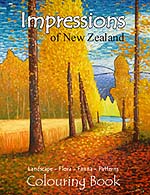
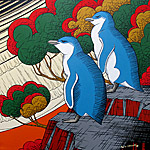
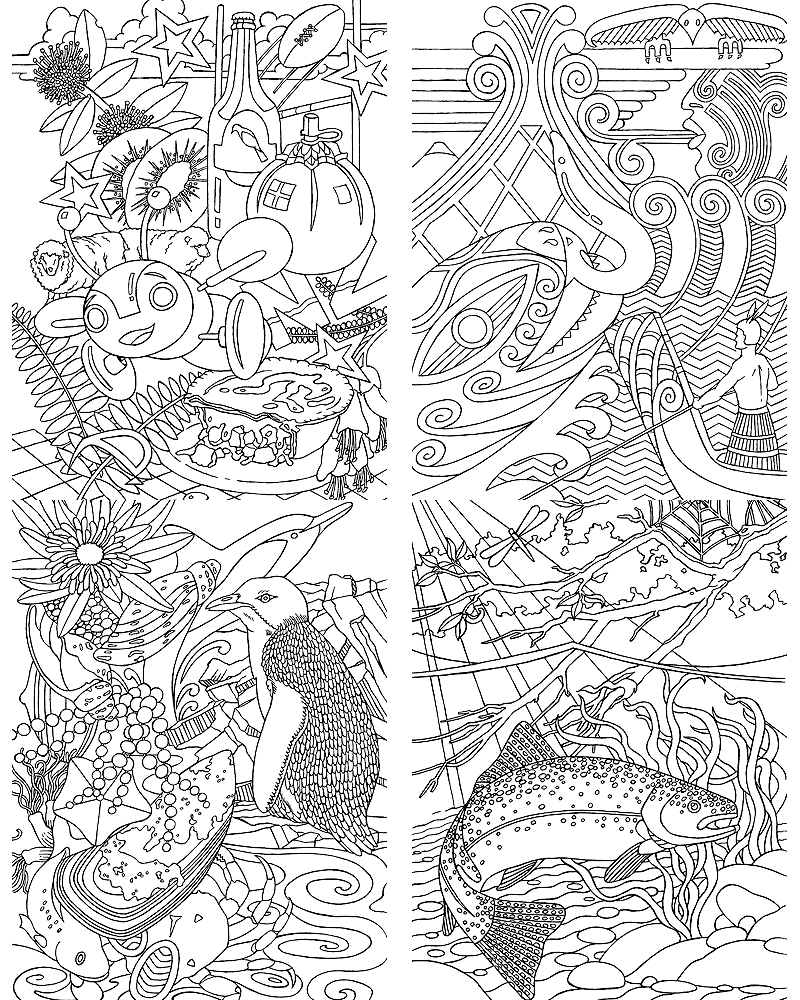
IMPRESSIONS OF NEW ZEALAND COLOURING IN PICTURE BOOK
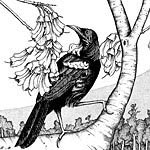
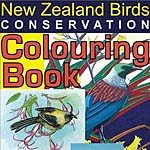
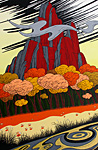
This delightful colouring book features a selection of the landscapes, patterns, flora and fauna of New Zealand. Containing 30 original hand drawn artist images on individual pages that may be removed for framing if desired. Challenge yourself to create an intensely colourful work of art from modern abstract design to realistic reflections and impressions of nature. Suitable for young adult to adult colourists.
Product details: 64 pages
ISBN 978-1523602407
8.5 x 11 inches





 IMPRESSIONS OF NEW ZEALAND COLOURING IN PICTURE BOOK